Kaiju BKLYN '26: Coming Back For More!!!
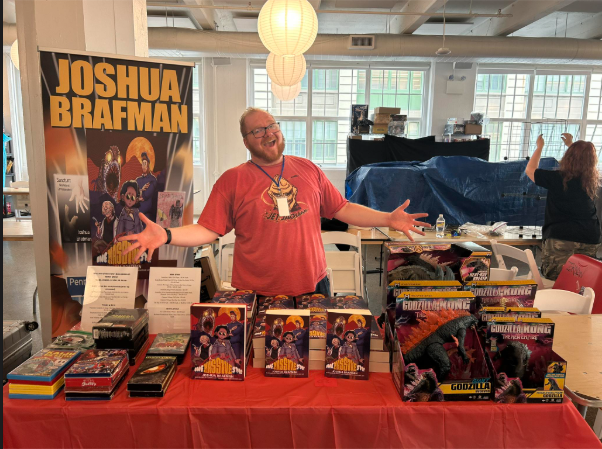
Josh B.
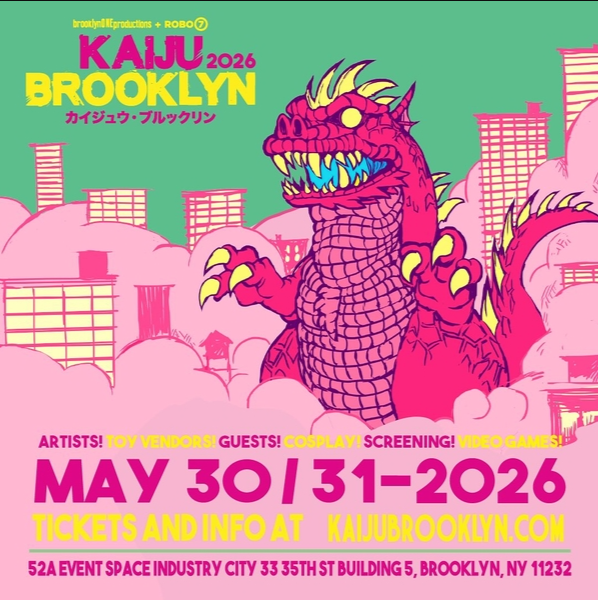
Those of you who have been keeping up with my articles here at RGN99 know that I have a history with Kaiju Brooklyn. In 2024, I attended my first Kaiju Brooklyn, the second one ever to exist – you can read all about it here. There was a lot to love about Kaiju Brooklyn 2, but definite room for improvement. The next year, thanks to a sponsorship from RGN99, I was able to table at Kaiju Brooklyn 3, where I premiered my first original Kaiju novel, ONE MASSIVE STEP. That was certainly a whirlwind experience, and one I won’t soon forget. However, for its fourth year, I decided to return to Kaiju Brooklyn not as a vendor, but as a fan, to see just how much the con has evolved in these past two years.
This year, I was able to roam freely, and I thoroughly enjoyed wandering the expanded area the convention now took up in Industry City. The vendor hall was much the same, limited to one room on the second floor of one of the buildings, however Kaiju Brooklyn now had a dedicated Panel/Screening Room, a Lounge area for people to sit down and relax, and an Arcade! The latter of which was especially exciting for me as, if you recall, that was something I specifically said was missing from Kaiju Brooklyn 2.
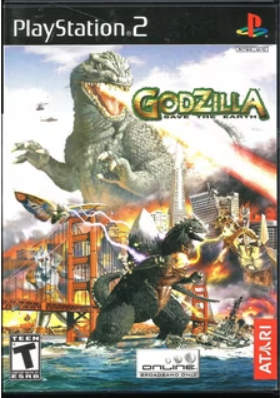
That said, the TokuCade, as it was called, wasn’t a real highlight for me. Kaiju Brooklyn rented out an arcade room in Industry City, but it wasn’t the entire room – just a small section in the back end of the arcade. And, due to logistical issues, the con was only able to secure a handful of televisions and consoles for their arcade. This left my friend Steven and I with a handful of TVs set up to play Godzilla: Save the Earth for PlayStation 2, which, whenever we went to check out, were always occupied by someone. The lack of proper 4-player games like GigaBash or even Godzilla: Destroy All Monsters Melee severely limited the Arcade’s maximum user base.
However, their absence could be due to the aforementioned logistical issues mentioned to me by one of the staff present. Additionally, renting out the entire room but only using a corner of it feels like a waste, especially when the entryway is filled with arcade cabinets that, despite being in a space reserved for the convention, you would still have to pay separately for to play. I was definitely happy to see an Arcade present, but there’s a lot to improve on for next year.
Wayne Grayson
Having explored a bit, I met up with a featured guest of the convention I really wanted to see: Wayne Grayson, a veteran voice actor who played Michaelangelo in Teenage Mutant Ninja Turtles (2003), Joey Wheeler in Yu-Gi-Oh!, and most interestingly of all, Daigo/Ultraman in the infamous English Dub of Ultraman Tiga. I grabbed his autograph and was able to ask him a few questions.
JOSHUA BRAFMAN (JB): What was it like working on Ultraman Tiga?
WAYNE GRAYSON (WG): Well, live-action dubbing is a much different beast than anime or cartoons. You have to match the lip flaps on screen as well as the emotionality of the actor, so it’s a lot more nuanced and precise. We had 3 different voice directors on Tiga too, which made the tone of the series bounce around a lot. That being said, a lot of the characters in Tiga had masks on, so we had more leeway than usual with our lines and deliveries.
JB: And how did that compare to working on Teenage Mutant Ninja Turtles?
WG: Well, Ninja Turtles was different in that I actually, for lack of a better term, got to act. There wasn’t any premade video, the voice actors’ performance helped dictate the action for the show. All four of us were also recording together at the same time, so we really got to feel more connected to each other and our characters.
JB: What are some of your favorite episodes from the ’03 series?
WG: Oh, the Christmas episode for sure (The Christmas Aliens), loved that one. I also really enjoyed the alternate future episode (Same as it Never Was). You know, we were the first people to do a grizzled, older Mikey. I can’t help but wonder if we somehow inspired The Last Ronin, you know?
JB: And finally, what was it like recording for Joey Wheeler in Yu-Gi-Oh? How did you come up with his iconic Brooklyn accent?
WG: Well, the funny thing is, Joey Wheeler was just my natural speaking voice at the time. [laughs] I grew up here in Brooklyn, and when I was auditioning, the only note I was given by the voice director is that Joey was “from the streets”, and so I thought hey, why not a New Yorker?
Wayne Grayson was very down-to-earth and easy to talk to. It was a joy to get to meet one of the voices of my childhood, and I’m thrilled that Kaiju Brooklyn could make that happen.
James Groman
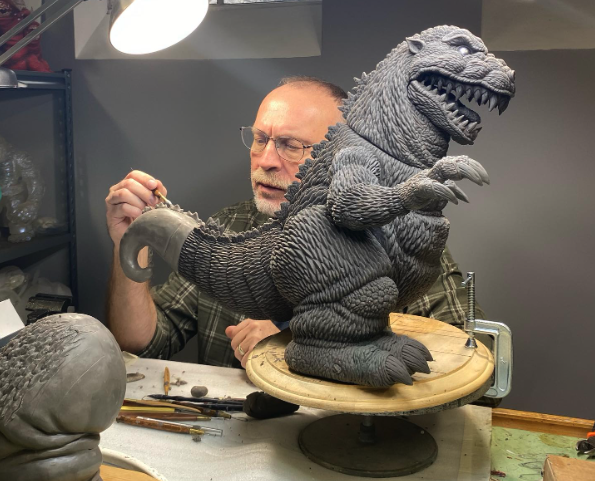
James Groman (IG)
I was able to attend a few panels during this year’s Kaiju Brooklyn, the first of which was an interview with James Groman, a prolific, skilled toy and statue sculptor/designer. The interview detailed Groman’s artistic journey – how he grew up in Cleveland, Ohio, watching Godzilla movies. As he watched those films, James was enamored with finding out who made the monster suits, and how they worked. This led to his love of creatures and creature design.
James Groman began his career fresh out of college designing MadBalls. After those were a success, Groman changed career paths from wanting to be a Film Designer to being a Toy Designer, and created the Barnyard Commandos toy line. Eventually, James Groman founded his own design studio, Those Characters from Cleveland (Now Cloudco Entertainment), which allowed him to branch out into other media.
Groman has worked with WETA, doing creature design for The Hobbit: The Battle of Five Armies, designed King Kong for the Netflix cartoon Kong: King of the Apes, and has taught classes at the Clinton Institute of the Art. Groman’s interview closed out with some more interesting tidbits, like how the Madballs he designed can be seen in Ready Player One, and that he once designed a new version of the iconic Stretch Armstrong toy, which was meant to coincide with a Stretch Armstrong film starring Woody Harrelson. While the film ultimately never materialized, the toy did. James Groman also showed off a few of his upcoming statues which he designed for Spiral Studios, though everyone at the panel was barred from discussing it outside of that room.
Shin Godzila
The next panel I got to see was a Shin Godzilla retrospective, hosted by Yoko Higuchi and Kim Lacanilao, AKA Kaiju Kim. This was a celebration of the first Godzilla film of the Reiwa era, and had some interesting tidbits to it. Namely, this Godzilla was the first one to be created entirely using CGI, and that Toho were initially against the radically different design that Hideaki Anno pitched for Godzilla, but the toy company Bandai made Toho realize they could sell a lot more merchandise with three different forms of the same Godzilla, and the design was approved.
Additionally, the Visual Effects Supervisor for Shin Godzilla, Atsuki Sato, went on to do the VFX for Godzilla Minus One alongside Takashi Yamazaki, which they won an Academy Award for. Some other things we learned were that all of the tanks in Shin Godzilla are CGI, but the building destruction was all done practically with miniatures, just like the classic Godzilla films. Another interesting bit of trivia the panelists shared with us is that reportedly, in Japan, moviegoers would see Shin Godzilla multiple times not only because they enjoyed the movie, but because the dialogue was so fast that it went over many moviegoers the first time they heard it.
Finally, Yoko Higuchi let us know that the now-iconic final shot of Shin Godzilla was different than initially planned. While in the final cut, the film ends on a shot of horrific, frozen Godzilla-Human hybrids emerging from Godzilla’s tail, the initial script called for these creatures to be emerging from Godzilla’s back, like his spines. I personally prefer the version we got, as the slow pan up is far more effective.
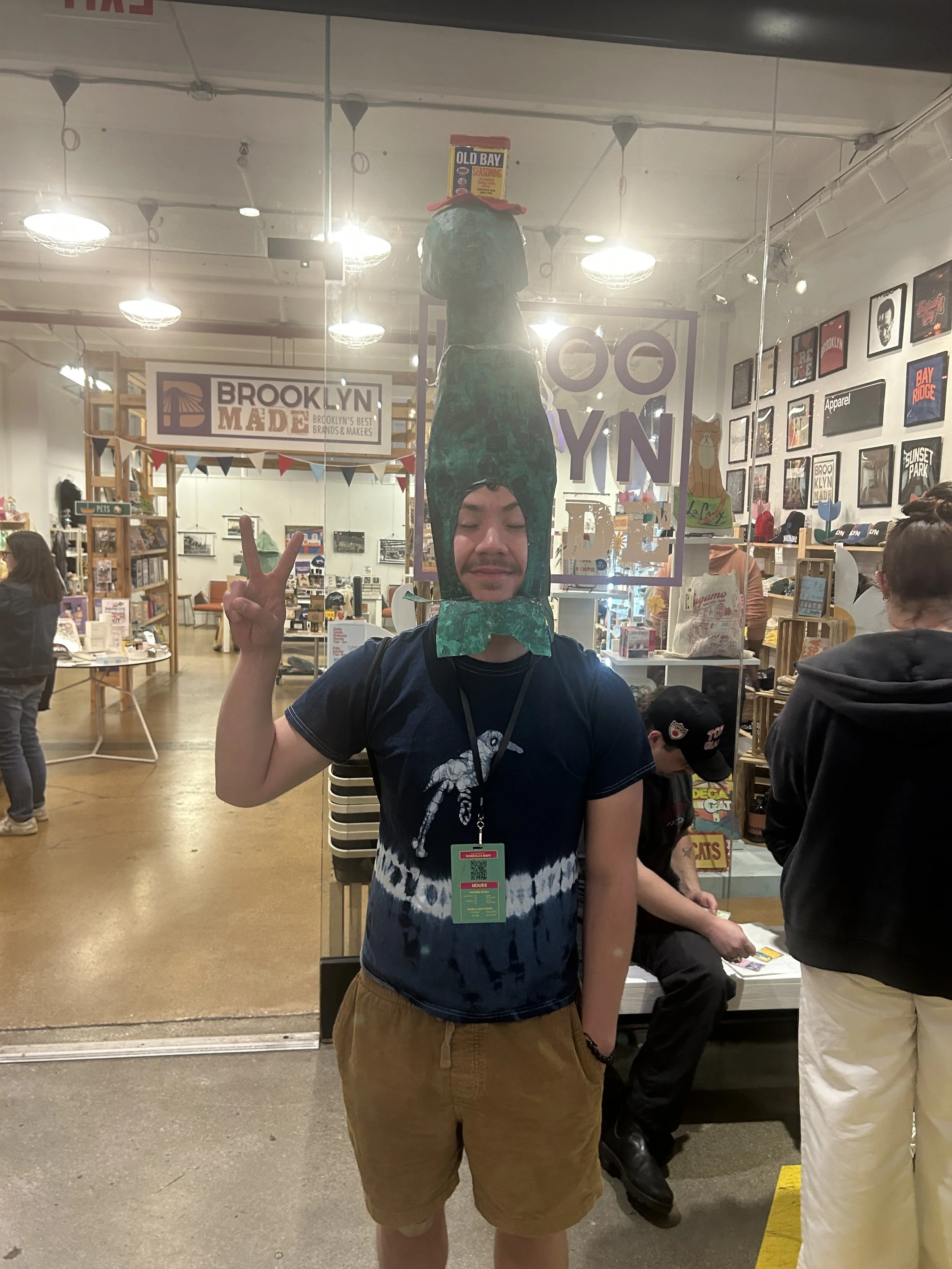
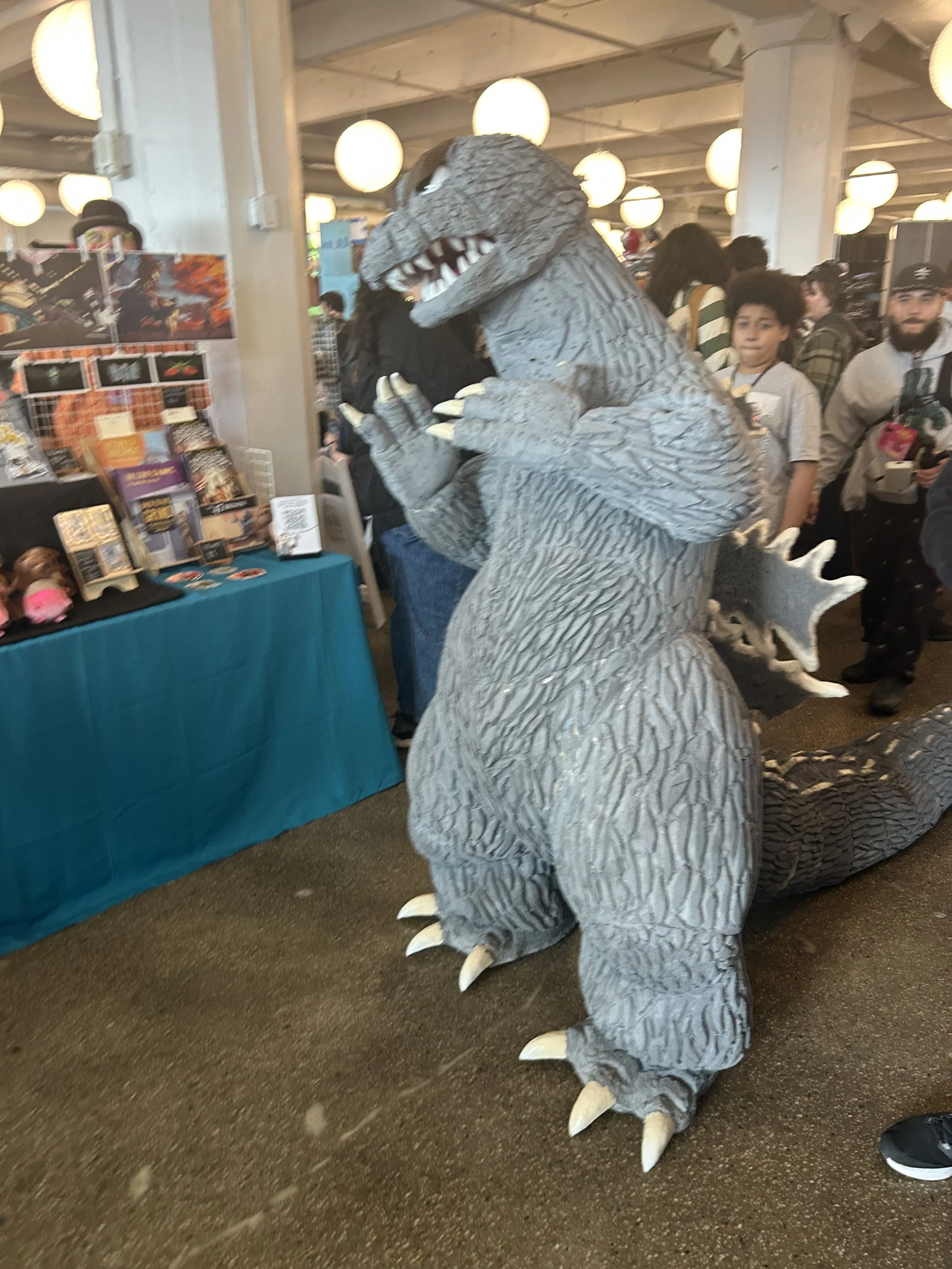
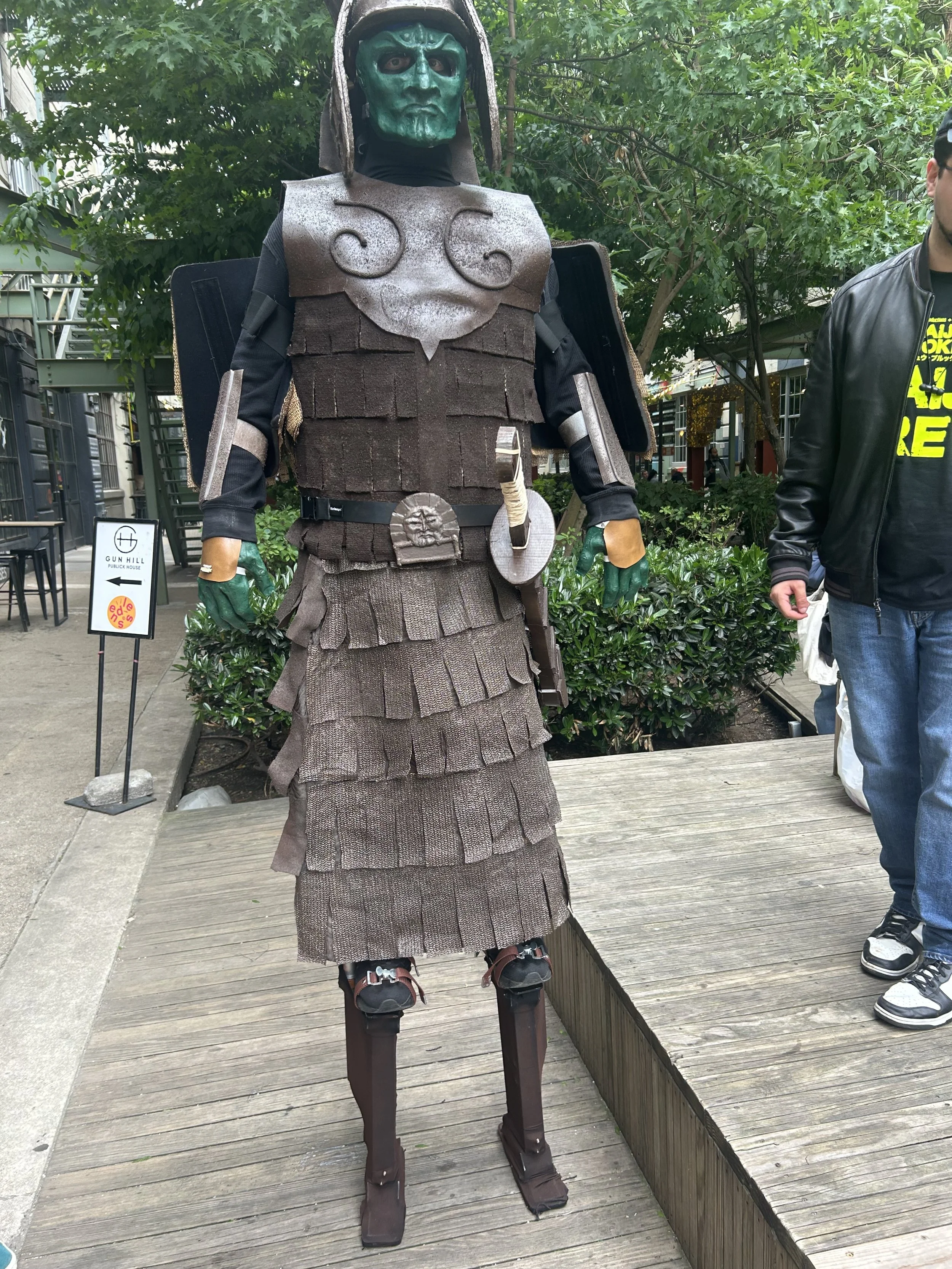
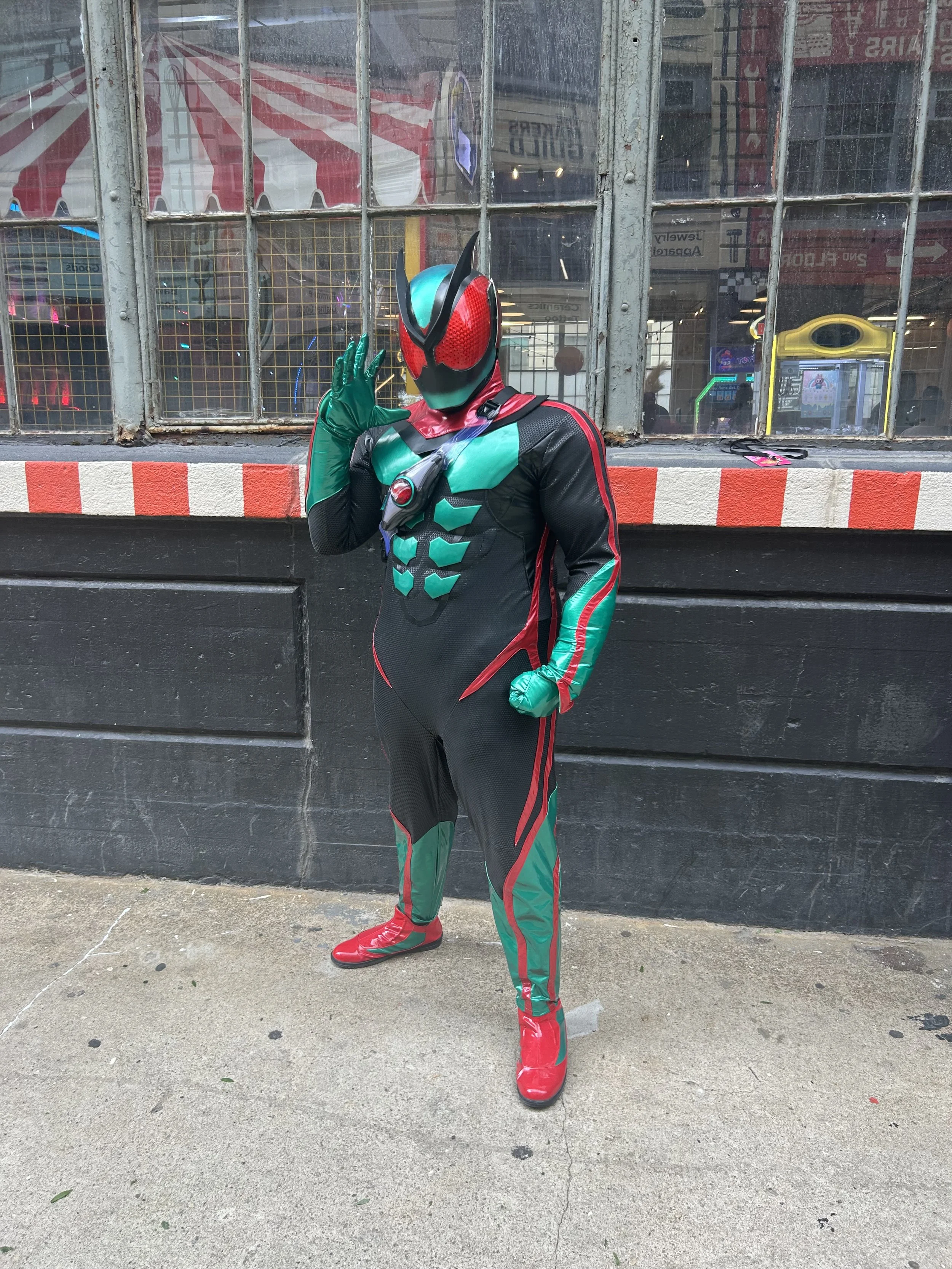
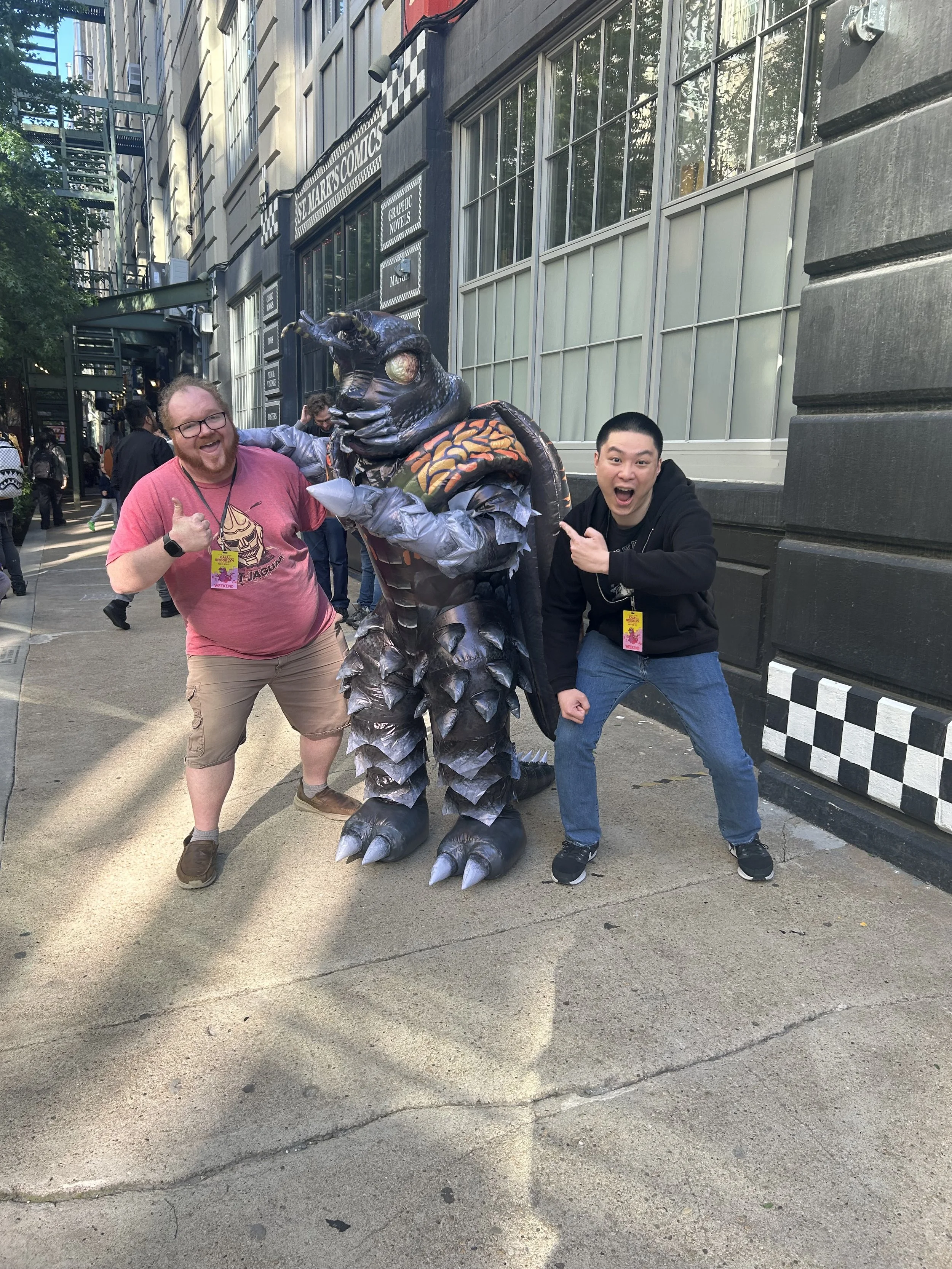
Following the Shin Godzilla panel, my friend Steven and I enjoyed the con and sat in on the Cosplay Contest, which had some excellent contenders this year, until it was time for Saturday’s final event, a screening of Godzilla: King of the Monsters, with a special introduction by TJ Storm, motion capture actor for Godzilla in that film. While it was definitely cool to have Godzilla himself introduce the movie to us, the screening itself was actually one of the lowest points of the convention for me.
The screening was held in the same room as the panels, which wasn’t a terrible idea, but the movie was only playing on one of three screens in the room, and the smaller space, coupled with the above average height of the fans sitting in front of us, meant that Steven and I only saw the upper two thirds of the screen at any given time, making for an exceptionally substandard viewing experience.
While I do appreciate the fact that this screening had dedicated seating, unlike the Ultraman screening at my first Kaiju Brooklyn, the layout was so poor that my friend and I ended up leaving only 15 minutes in to a 132-minute film that we had to RSVP for. In my friend Steven’s case, he actually had to reserve a spot separately from his ticket purchase, which resulted in this free RSVP costing him five dollars in service fees, for something we did not enjoy. Yes, five dollars is nothing in con costs, but it’s the principle of the thing, especially when we’d had a much better experience seeing Godzilla: King of the Monsters at G-Fest years ago.
Day 2
On the con’s second day, I sat in on a panel discussion with Wayne Grayson, the veteran voice actor I spoke with the day before. During this panel, I learned some more interesting tidbits – for one, the three voice directors on Ultraman Tiga were Eric Stuart, Ted Lewis and Dan Green. Eric Stuart, the first voice director, was the one pushing for Tiga to be a full-on gag dub, something Wayne Grayson supported because he viewed the series as “a little goofy”.
Ultraman Tiga was also done when the dubbing company responsible, 4Kids Entertainment, was acquiring every property they could get their hands on. As a result, workdays for voice actors were hectic, with Grayson recalling recording for four different series per day around the time Tiga was being dubbed.
Wayne Grayson’s personal history with Ultraman goes back to his childhood, when he would watch old bootleg VHS tapes of the Ultraman (1966) and Spectreman (1971) series. He distinctly recalled the old English dub of Ultraman (starring Peter Fernandez and Corrine Orr of Speed Racer fame) and being enamored with it. When first trying to become a voice actor, Wayne Grayson auditioned for the role of Brock or James in Pokemon, but didn’t get the part, which went to Eric Stuart.
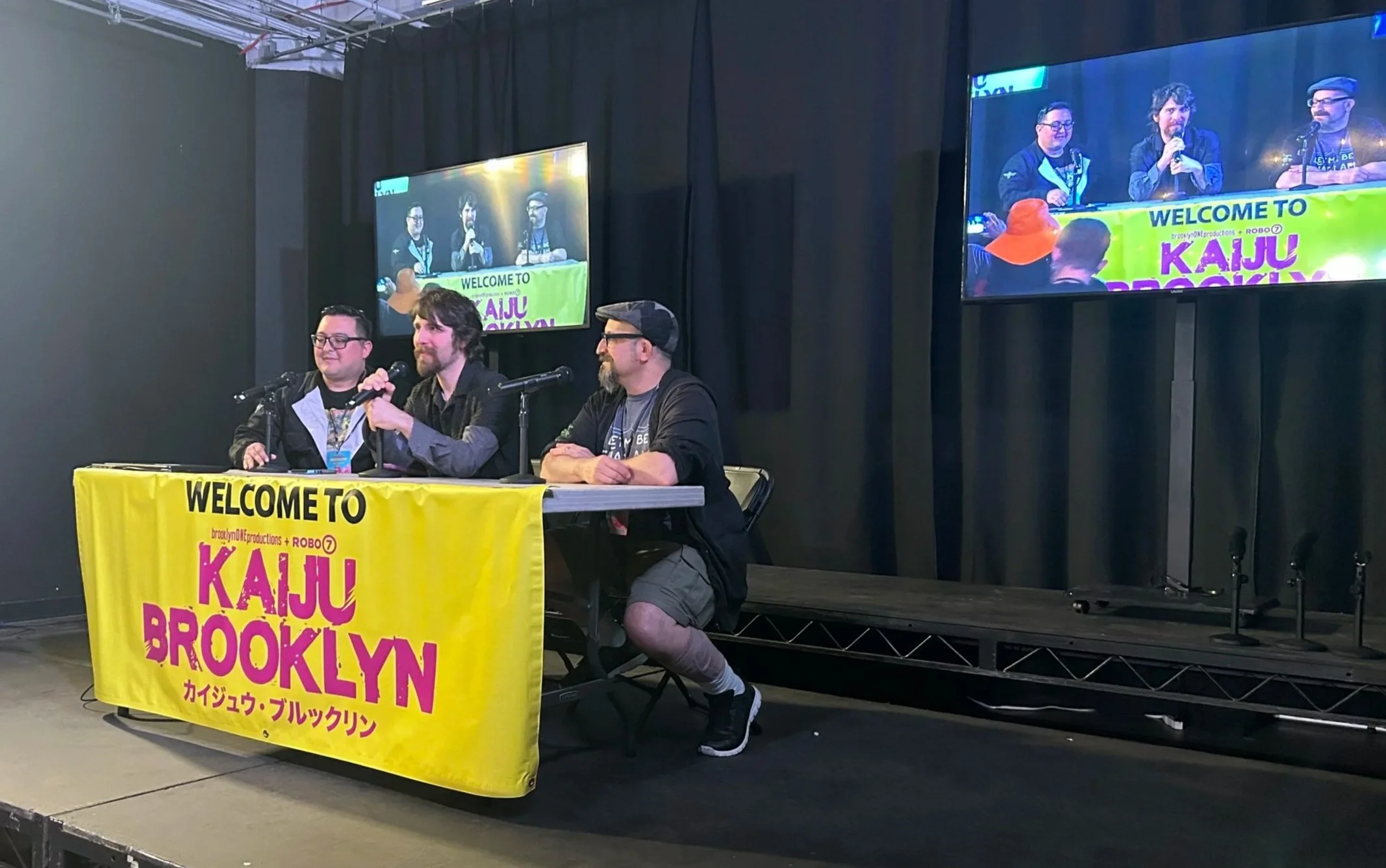
Eric Stuart, Ted Lewis and Dan Green
However, Wayne made an impression on Eric, and Eric pushed Wayne to audition again, this time for Yu-Gi-Oh!, which ended up being Grayson’s big break. After 4Kids went defunct in 2017, Grayson mostly stepped back from voice acting and does the convention scene, though he does still show up in certain series. Funnily enough, Wayne Grayson voices various characters in the brand-new dub of the 1966 Ultraman series, released just last year on 4K Home Video – a real full circle moment.
The last panel I went to for Kaiju Brooklyn was an interview with TJ Storm, the aforementioned motion capture actor for Godzilla. TJ Storm recalled the first movie his father ever took him to see in a theater, Godzilla VS. Hedorah. Hedorah, the Smog Monster, terrified TJ with how she would instantly turn people to skeletons with her acid rain and pollution attacks – which is why it was so memorable to TJ seeing Godzilla fight against Hedorah – he distinctly recalls cheering for him when the two monsters fought. Seeing that, and later the acting duo of Shields and Yarnell pushed TJ to want to be an actor. Storm explained how motion capture works: infrared cameras film actors wearing special suits. The cameras capture the motion data from the actors’ performances and put them on the computer, which visual effects artists can then plug in to CGI characters to make their movements more realistic.
To portray Godzilla, TJ Storm studied Haruo Nakajima’s (the first Godzilla suit actor) performances as Godzilla, and studied real life animal footage to see what real world creatures he could take inspiration from. When performing as Godzilla in 2014, Storm had no idea what the new version of Godzilla was going to look like, and by extension how he should move, which initially presented a challenge. TJ Storm provided some fascinating trivia regarding the production of the Godzilla films he was a part of. While working on Godzilla (2014), Storm was directed and supervised by Nito Larioza and Garrett Warren – he never even met the film’s director Gareth Edwards until the premiere of 2019’s King of the Monsters.
The very first shot he performed as Godzilla was the HALO Jump sequence, where we see Ford Brody’s first-person perspective of dropping into San Francisco during Godzilla’s battle with the MUTOs. The battle scenes in Godzilla (2014) were more physically demanding than most people realize – TJ Storm actually cracked a rib while performing the final battle against the Female MUTO. Finally, one of the most interesting things TJ shared was that the way Godzilla kills the Male Muto (whipping him with his tail into a building) was his idea, which the crew loved and ran with.
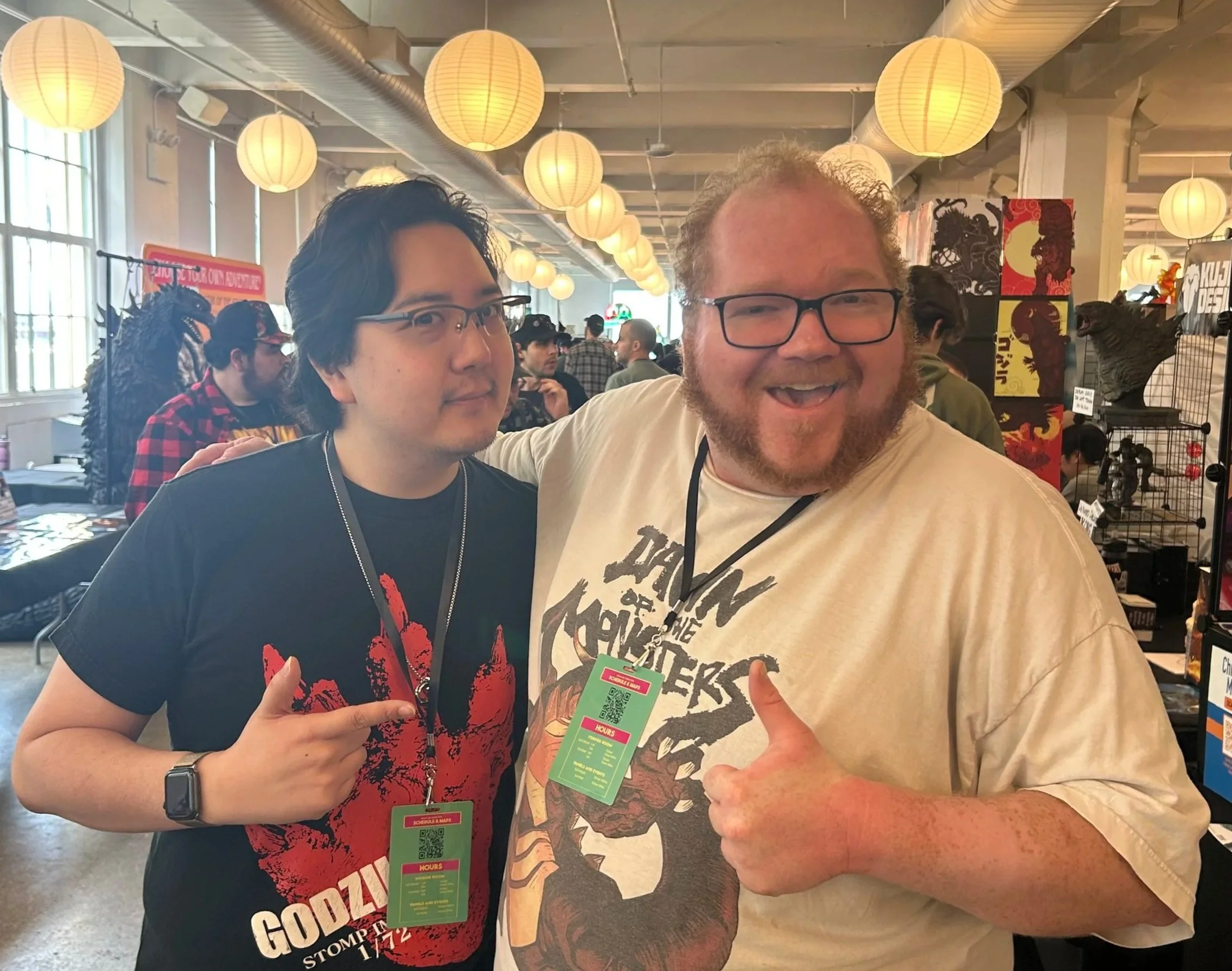
Overall, I have to say that Kaiju Brooklyn has definitely improved since 2024. There were definitely some issues this year, but I’d like to believe these little hiccups are growing pains that John Bellotti Jr. and the team at BrooklynONE Productions can address in future years, to make things even bigger and better. I can’t wait to see what comes next from this small, but mighty convention.