
WWE Reflections: LESNER?

Maria M.
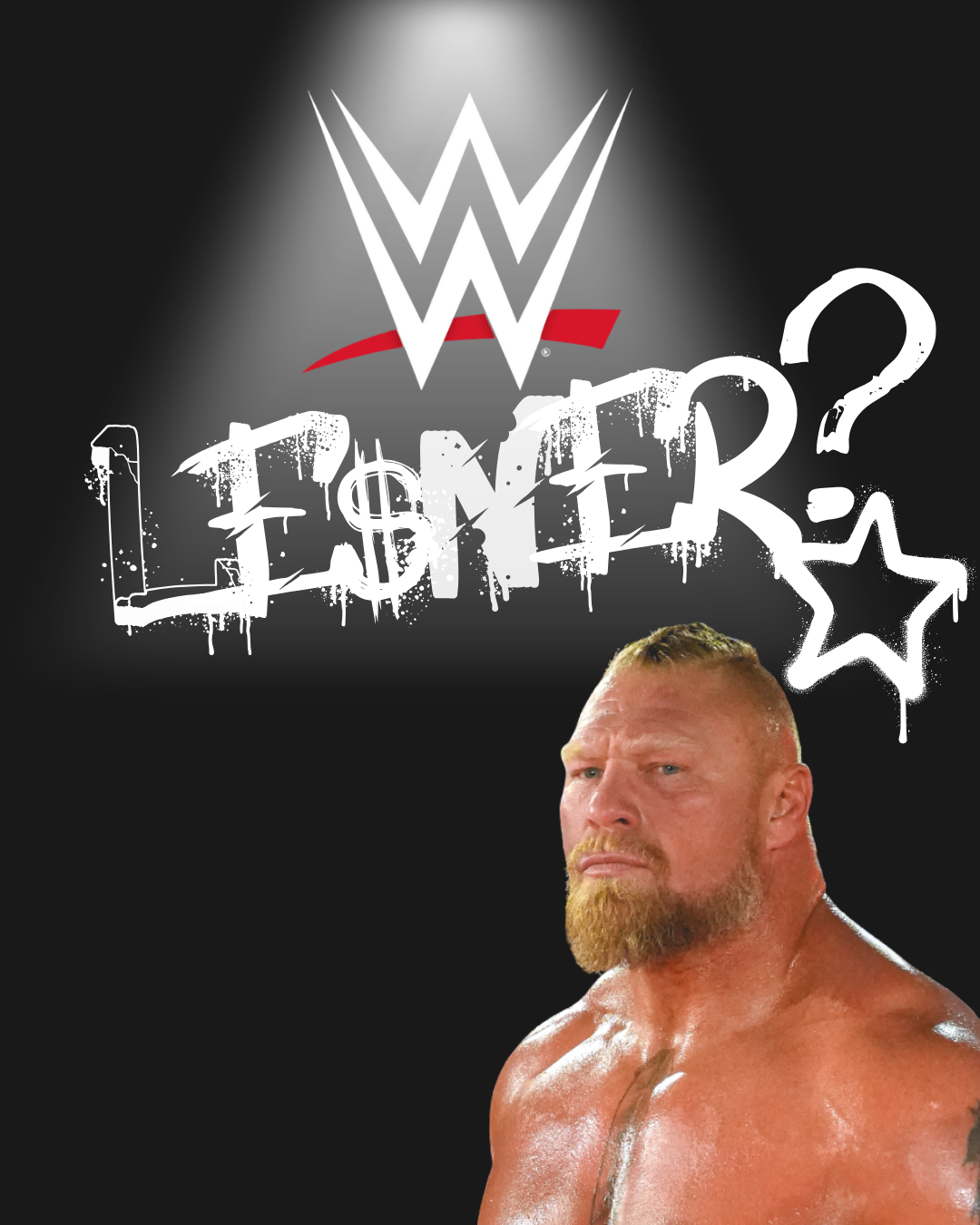
Sometimes the loudest pop doesn't tell the whole story. When Brock Lesnar's music hit at SummerSlam 2025, the crowd at MetLife Stadium erupted. WWE executives probably felt vindicated; I mean, after all, isn't fan reaction the ultimate measure of success? But if they'd looked beyond that initial shock and examined what their audience actually thought about bringing back a performer named in an active sex trafficking lawsuit, they might have discovered they'd made a critical miscalculation.
On August 3, 2025, after nearly two years away from WWE programming, Brock Lesnar walked out and delivered an F-5 to John Cena, officially marking his return to the company. The live audience gave him exactly what Triple H expected: a massive reaction that, in his words, would have blown the roof off MetLife Stadium if there had been one. For WWE, mission accomplished. Shock value delivered. But here's the problem with prioritizing shock over substance: the surprise only lasts a moment, and what's left afterward can be far more damaging than what the initial pop was worth.
Lesnar's absence from WWE wasn't due to contract disputes or creative differences. He's been persona non grata since being explicitly named in Janel Grant's amended lawsuit against Vince McMahon and WWE in January 2025. The lawsuit alleges that McMahon attempted to sexually traffic Grant to Lesnar as part of contract negotiations, demanded she create "personalized sexual content" for him, and flew him to Connecticut for a planned sexual encounter that ultimately, didn't occur.
WWE initially distanced themselves from Lesnar after these allegations surfaced, pulling him from the 2024 Royal Rumble and removing him from promotional materials.
That distancing lasted until their legal team apparently gave him clearance about four weeks before SummerSlam. But being legally cleared and being morally appropriate to feature are two very different things; a distinction that WWE's decision-makers seemed to have missed entirely.
Check the #’s
The real test of fan sentiment came after the initial shock wore off, and the results were damning for WWE's decision-making. While Lesnar got his pop in the arena, a comprehensive study by The Action Network analyzed 2,500 Reddit mentions of his return and found something WWE probably didn't want to see: their fans were not happy about this.
SideNote: Out of 1,362 non-neutral comments analyzed a staggering 82.4% were negative compared to just 17.6% positive. Even more telling, only 6.4% of fans expressed genuine "joy" at seeing Lesnar return.
These aren't casual viewers expressing mild disappointment, these are engaged wrestling fans on Reddit, the platform where WWE's most dedicated audience discusses the product. When 82.4% of your core fanbase responds negatively to a creative decision, that's not a vocal minority problem. That's a fundamental disconnect between what the company thinks fans want and what they actually want.
Beyond the stats, the individual fan reactions on social media tell the story of an audience that feels betrayed by WWE's decision:
Comment 1: What......
Comment 2: “Brock Lesner......”
Comment 3: “ If you support...”
These weren’t isolated reactions; Twitter, Instagram, and wrestling forums were flooded with similar sentiments. Fans threatened boycotts, announced they were "done" with WWE, and expressed genuine disgust at the company's priorities. One fan captured the broader frustration perfectly: "Professional wrestling continues to struggle to remove bad actors from its midst...”
Perhaps most telling is how WWE handled the aftermath of Lesnar's return. They cancelled the traditional post-show press conference for SummerSlam, both nights, to avoid having to answer questions about their decision. Dave Meltzer confirmed what many suspected: "the reason they didn't do the press conferences was because of this angle."
SideNote: When you're so concerned about defending a creative decision that you cancel press opportunities entirely, that's usually a sign you know you've made a mistake.
The defensiveness continued when Triple H, during WWE's controlled post-show, misheard (or pretended to mishear) fans chanting "We want Kross" as "We want Brock." It was an awkward moment that highlighted just how out of touch WWE's leadership appeared to be with their audience's actual desires.
Read the Room...
WWE's decision to bring back Lesnar reveals a fundamental problem with how the company approaches storytelling and fan engagement. More troubling, it demonstrates a complete inability to read the cultural moment we're living in.
SideNote: Consider what's happening in Congress right now: Republicans and Democrats can't agree on anything. However, even the most unlikely political allies are finding common ground with the release of the Epstein Files.
In this environment, where literally nothing brings both parties together except SA accountability, WWE chose to bring back someone named in a lawsuit. The cultural deafness is staggering. While people across the political spectrum are demanding transparency and consequences for SA and misconduct, the WWE prioritizing shock value over moral considerations is problematic.
This timing makes it even worse. This return happened just weeks after WWE presented Evolution 2025, positioning themselves as champions of women's wrestling and progress in the industry.
Final Thoughts
WWE has spent years attempting to rehabilitate its image after decades of criticism over how it treated women, positioning the “Women’s Evolution” as proof of a new, more responsible era. Yet Brock Lesnar’s return exposes how fragile that progress really is. When faced with a choice between stated principles and shock value, WWE once again chose the latter. While the live crowd reaction was loud, it reflected surprise rather than approval and once fans processed the welcoming back of someone named in serious allegations, sentiment shifted sharply into opposition.
Now, the company could double down and hope that fan sentiment shifts, or they can acknowledge that they misread their audience and auto correct. Given WWE's history, they'll likely choose the former. But the Reddit study and social media backlash suggest that approach might backfire. When 82.4% of your engaged fanbase expresses negative sentiment about a creative decision, that's not a hurdle to overcome, it's a warning sign that you've lost touch with what your audience actually wants.
The Brock Lesnar situation ultimately reveals WWE's priorities: shock value over fan sentiment, short-term gains over long-term trust, and business considerations over moral ones. The question now is whether those priorities will cost them the audience they're trying so hard to keep and surprise.