Hazbin Hotel: Heaven, Hell, Chaos and Contradictions

Erik M.
Hazbin Hotel, the American adult animated musical comedy series created by Vivienne Medrano, has made big waves as one of Amazon Prime’s most successful shows with all the crude language and sexual innuendos one can have.
The two-season series follows Charlotte (Charlie) Morningstar, daughter of Lucifer Morningstar and the Princess of Hell, as she manages her hotel of the same name to redeem lost souls, grant them access into Heaven, keep the peace between Heaven and Hell, and prevent an uprising from both sides. The Hotel acts as an alternative to Heaven's annual "Extermination" (due to Hell's overpopulation) by working as a rehabilitation center for souls. The series, produced by SpindleHorse, is in collaboration with A24, Amazon MGM Studios, and the animation studio Bento Box Entertainment.
The characters of Hazbin Hotel consist of Angels, Demons and or course, Sinners. Several characters are also based on religious figures from Christianity, including Adam and Eve (the first man and woman) and Lucifer, the first of the fallen angels.
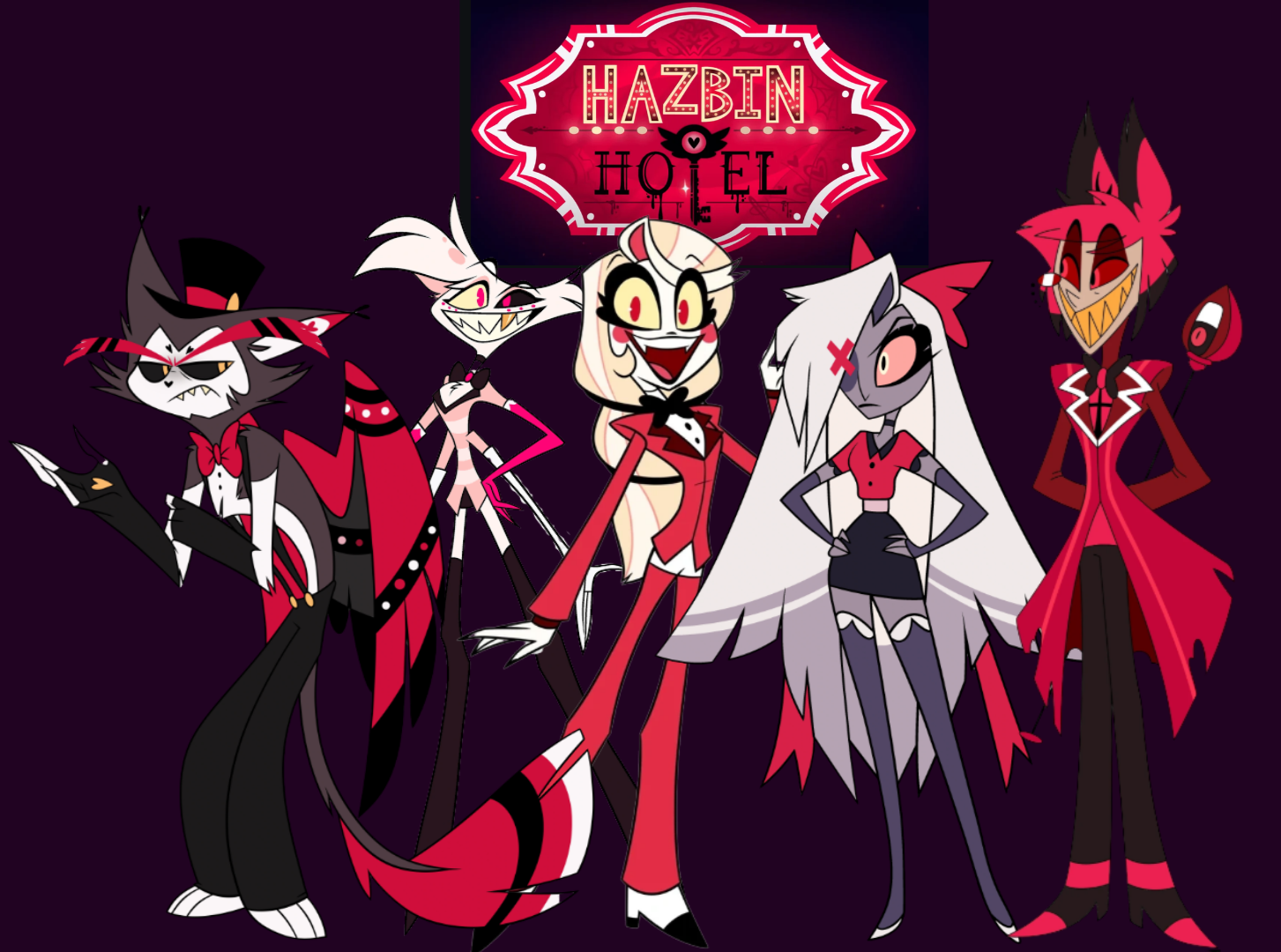
Some of the themes one picks up from watching this series is that each character stands for one of the seven deadly sins, either through their position or profession in Hell:
Lucifer, as the king of Hell, is arrogant, self-important, and his downfall in the beginning of the series is linked to pride.
Adam is the first man to start humankind on Earth; he has a massive ego, and his inability to see the good in the Hazbin Hotel leads to his death. He is also linked to pride.
Alastor is a murderer that wants to be the most powerful sinner in Hell. He also does not want to be redeemed. He’s linked to wrath.
Lute is hell-bent on revenge against the Hazbin Hotel for Adam’s death and looks to go against anyone from both sides to fuel an all-out war against Hell. She’s also linked to wrath.
Sir Pentious, he only cared about power, conquest, and personal glory; which was all tied to greed. Interestingly enough, once Sir Pentious abandoned his greed to save everyone at the hotel he was redeemed.
Angel Dust is a porn star and his character arc is about regaining autonomy over his body and choices. Clearly, he stands for lust.
Vox killed anyone that had more fame and status than him, and even after being sent to Hell, he is obsessed with Alastor because he is a bigger deal than him. Completely fueled by envy, his goal is to rule both Heaven and Hell and be greater than everyone because he feels no one is more deserving to rule than him.
Husk is an alcoholic that would rather drink than do any work, which is linked to sloth.
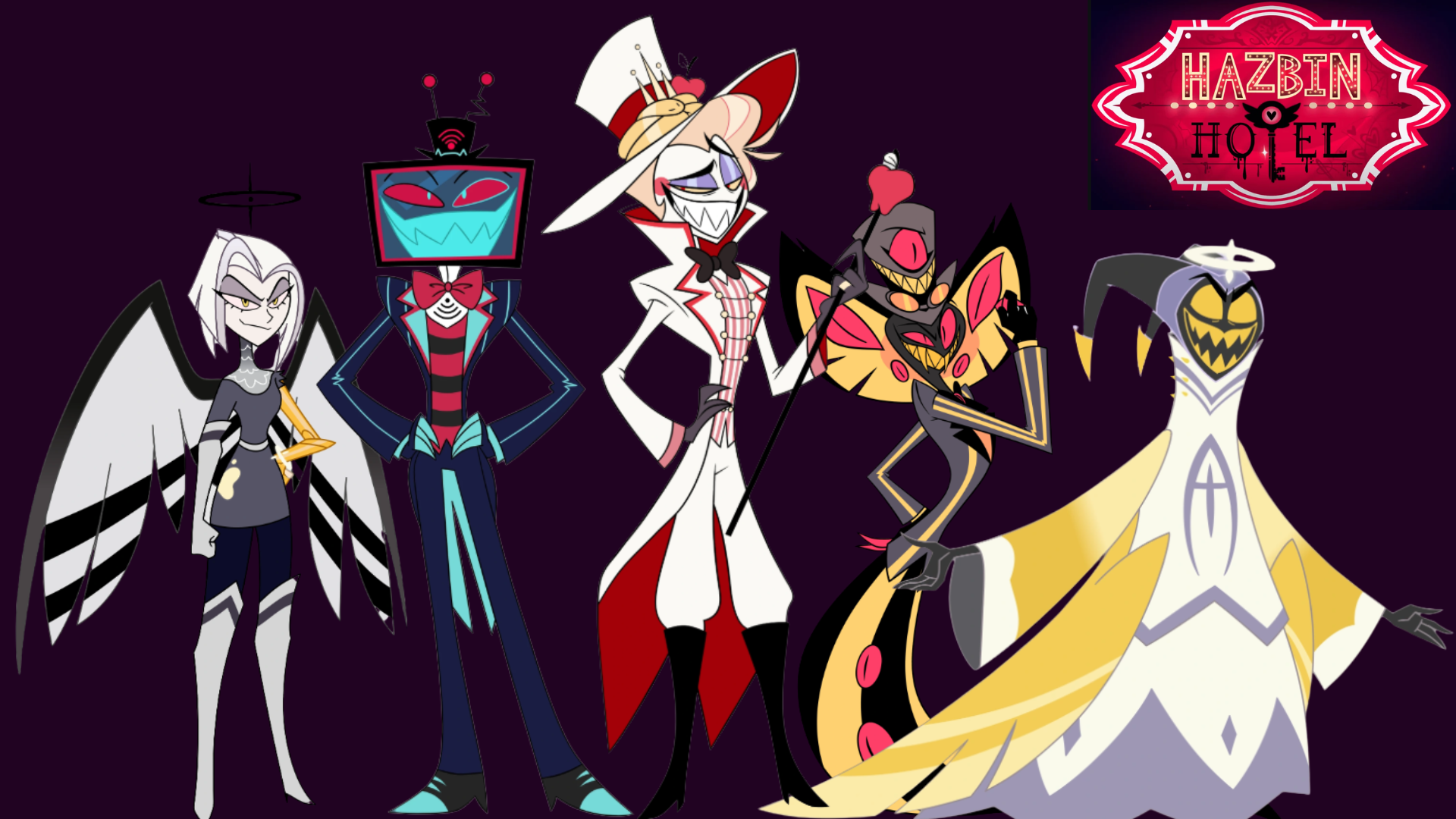
SideNote: While Alastor and Vox are also linked to gluttony, and despite already being some of the most powerful beings in Hell, they still want more power. Ironically, Charlie is also known as the most hated being of all creation, and does not align with any sin. She, instead, stands for hope, purity, and compassion.
MVP: Abel
If I had to choose my personal favorite character, I would say it’s Abel (Adam’s son) for several reasons. For starters, he is an underdog character who, like Charlie, faces many challenges due to his lineage. He is a high-ranking angel in Heaven but lacks the confidence needed to lead properly like his father, which makes him very relatable.
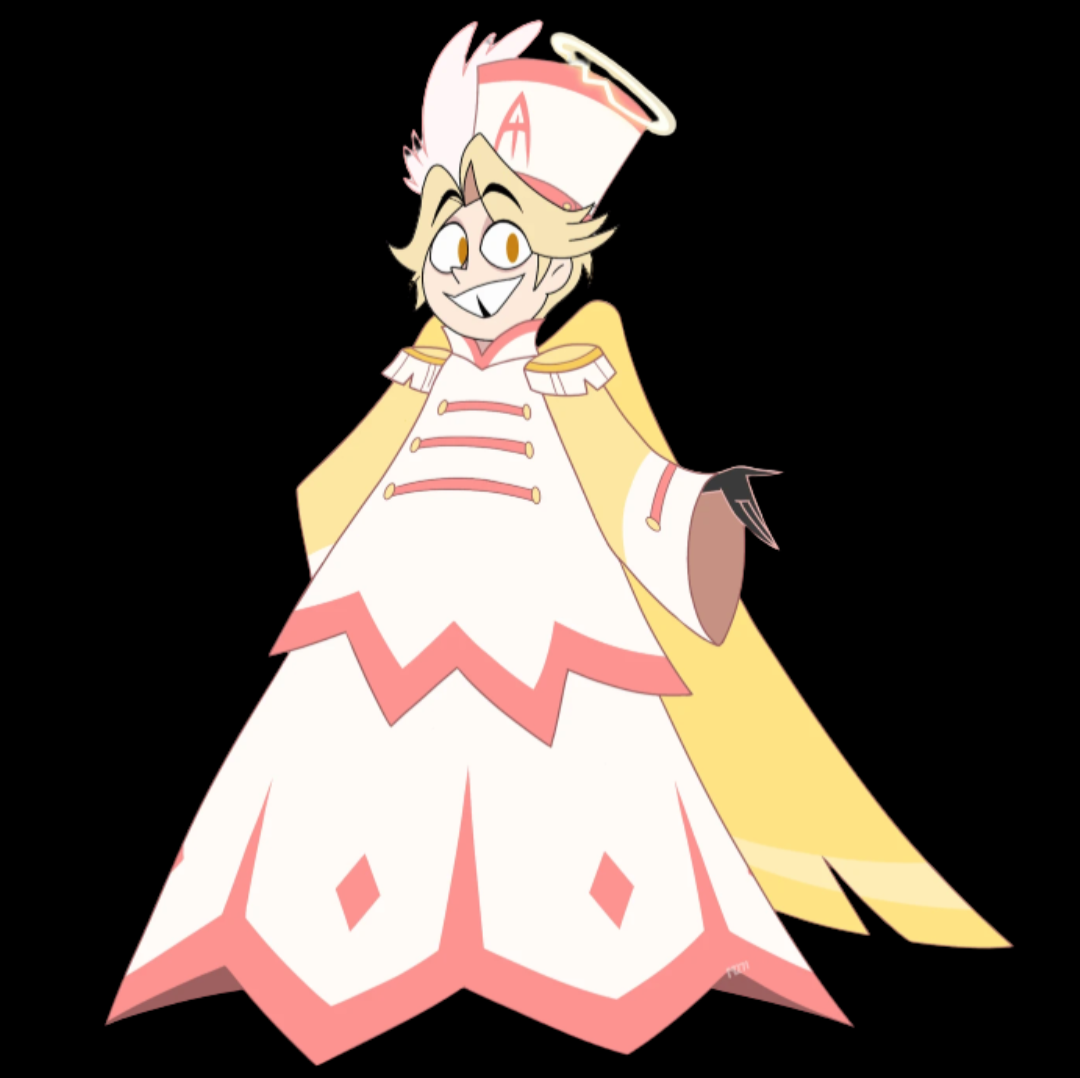
Ironically, despite being an angel, Abel embodies all the sins in one way or another. He shows a sense of entitlement and pride as Adam’s son, believing he is more righteous than the other angels. He harbors a quiet wrath, expressing bitterness and resentment toward his father’s brutality. He remains submissive, wanting to keep his position in Heaven without going against the system, even though he knows Heaven contributes to the tension with Hell’s inhabitants.
His moral inactivity reflects the sin of sloth. His desire to be accepted and his need to belong represent a form of emotional lust. His tendency to avoid action matched with his inability to lead Heaven’s forces after his father’s death is another form of sloth as he avoids responsibility. Additionally, he also envies his brother Cain as Adam’s favored son. Lastly, his reluctance to engage in conflict and his desire to have everything without risking anything can be interpreted as forms of gluttony and greed. His character arc shows that angels can fall into sin without realizing it. As Adam openly displays pride and wrath, Abel embodies sins rooted in apathy, denial, and self-righteousness.
SideNote: Interestingly, my favorite moment of Abel’s character comes in the Season 2 finale, where he achieves his own redemption. He steps out of his comfort zone to save the sinners from Lute’s rampage by embracing his strength, asserting himself, and ironically, channeling a more confident, assertive version of his father.
Hella Musicals
Even if you’re not a personal fan of musicals, anyone can appreciate the musical talents of the cast as the songs fit the show’s themes of Broadway and Dark Circus. Most of the characters hide behind humor and sarcasm to avoid facing the harsh realities of their sins and singing allows them to bring down their emotional walls.
SideNote: The songs also advance the story while at times, becoming the plot as it shows greater character dynamics.
For example, the duet between Alastor and Vox demonstrated their power struggle as Charlie’s songs about hope contrasted with Alastor’s choas, highlighting their their opinions and opposing philosophies of right and wrong.
Religiousness
Hazbin Hotel treats religion as a metaphor and tries not to convert people to any side; if anything it criticizes the cult mindset of blind obendience and teaches opposing themes that appeal to everyone; up to and including, compassion and empathy towards others.
Morality here is also structured in a neutral way; suggesting that one thing is not considered good or bad because a higher power says so. Here, people are complicated and their trauma shapes them. Furthermore, growth is possible here, even in the worst situations. Hazbin Hotel’s greatest lesson focuses on redemption and second chances, which strengthens the Hotel and its main purpose: allowing lost souls in hell to redeem themselves, no matter the crime.
The series also breaks down traditional religious norms by depicting both angels and sinners as good, bad, and conflicted; showing that heaven and hell really are not particularly different as both engage in corruption and blur the lines between Good and Evil; Saints and Sinners; the Holy and Impure. In the traditional sense, angels are considered pure, holy, merciful, and morally flawless, but Hazbin Hotel angels are revealed to be judgmental, sarcastic, and violent.
Here, mortality is complicated and it argues that identity does not decide morality, but rather, choices. To summarize, angels can sin and sinners can love and redemption is not a divine privilege but a personal choice and a journey.
Final Thoughts
In the end Hazbin Hotel teaches its viewers that good and bad are artificial constructs and the only way to know what is genuinely good or bad is what is based on personal preferences as we see some angels and devils both wanting war and wanting peace. The series further explores the dangers following can have on one’s beliefs with their decisions often harming themselves or others.
Hazbin Hotel now has two seasons under its belt with season 3/4 in the works. Let us hope the next season offers more action, musical numbers and second chances.